
I remember sitting in meetings early in my career, working so hard to keep parts of myself hidden. I thought it would keep me safe. But by the end of the day, I was completely drained.
Recently, after listening to my brilliant speaker friend Cait Donovan talk about burnout and the brain, I started wondering:
What actually happens to our brains when we feel like we have to hide who we are?
So I did some digging, and what I found surprised me.
Hiding sets off your brain’s emergency team
When you hide parts of yourself — your story, your identity, your challenges — your brain treats it like a threat, even if no one says a word.
Sometimes that hiding looks like not speaking up about an idea, pretending you have it all together, or masking a part of your identity to feel accepted.
I’m certainly not a neuroscientist, but here’s how I think about it in simple terms.
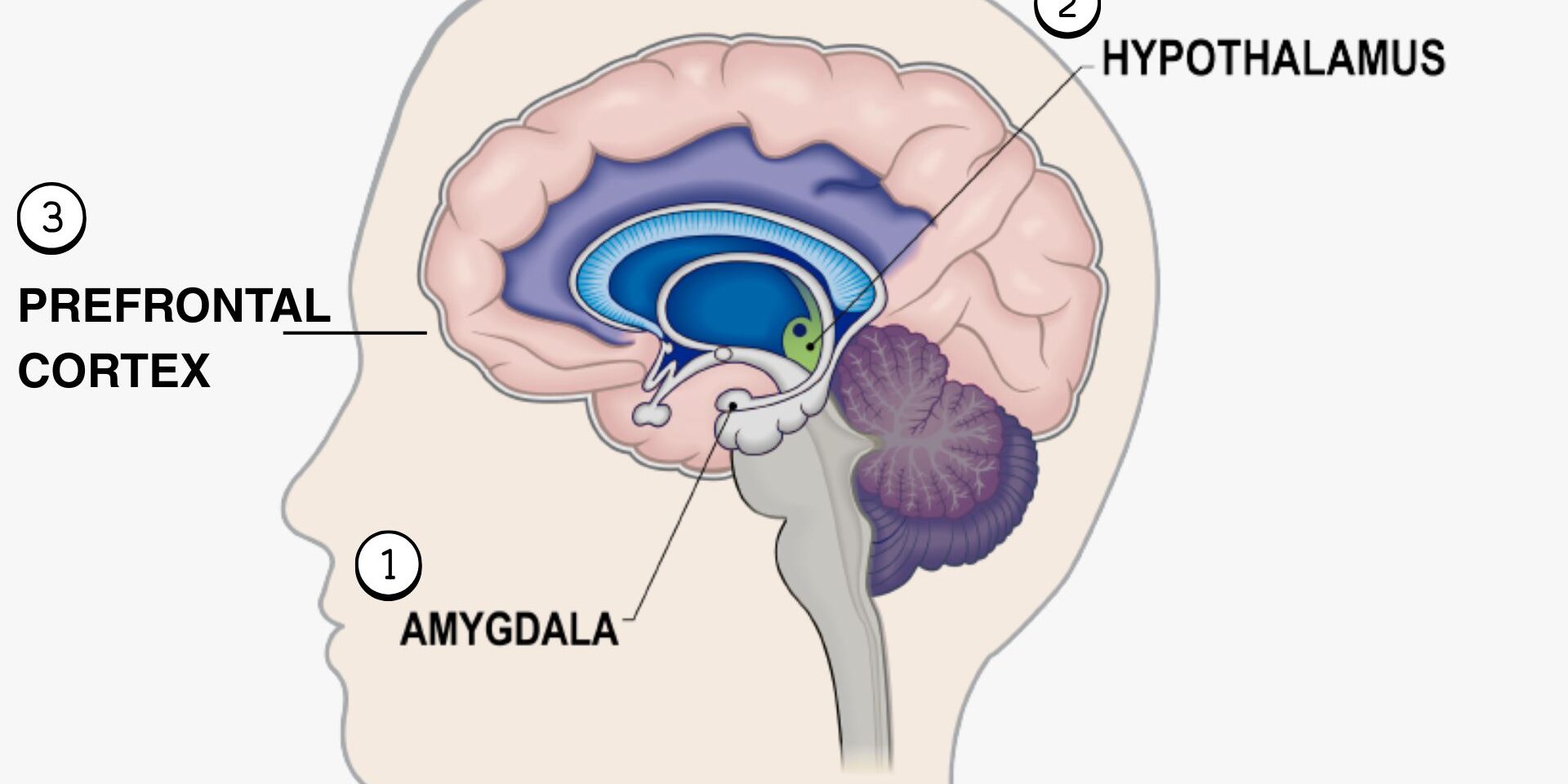
Meet your brain’s emergency team:
- Amygdala – the alarm bell. It is always scanning: Am I safe? Could I be rejected? When it senses danger, it sounds the alarm.
- Hypothalamus – the stress switch. It gets the message from the amygdala and says: We need backup. It releases stress hormones like cortisol to protect you.
- Prefrontal Cortex – the thinker. This part tries to keep you calm and focused. But when the alarm is blaring and stress hormones are flooding your system, it gets tired and overwhelmed.
Over time, this cycle drains you mentally and physically. It’s exhausting.
I know this because I spent years hiding parts of myself, believing it was the only way to belong. It was a survival strategy, and for a while, it worked. But it came at a cost.
The cost of staying on alert
When you’re hiding, your brain is working overtime. You may feel:
- Constant fatigue
- Anxiety or depression
- Trouble focusing or making decisions
- Disconnection from yourself and others
- Burnout
It is not just emotional. It is neurological.
The good news: Your brain can reset
When you unhide, especially in safe, supportive spaces, something shifts:
- The amygdala quiets down
- Stress hormones slow
- Your prefrontal cortex can finally do its job
You start to feel clearer, calmer, more like yourself. A weight feels lifted.
Instead of scanning for danger, your brain starts searching for connection, clarity, and confidence.
How does this resonate for you?
If you have ever felt drained from hiding, you are not imagining it. Your brain has been doing the heavy lifting.
I hope this helps you consider what it might look like to unhide, even a little bit, and notice how much lighter it can feel.
Hit reply and share your thoughts with me.
And if you know someone who might be holding themselves back, feel free to share this with them too.
You deserve spaces where your brain does not have to work so hard just to feel safe, and where you can finally exhale.
Warmest, Ruth
I’d love to hear your stories of unhiding—share them here.
Thank you for being part of the UNHIDING community.
|
|

